November 2, 2026
Balancing cosmetic upgrades with essential home repairs can be challenging for homeowners planning improvements. While fresh finishes and updated designs make a home more attractive, unresolved structural or mechanical problems can threaten its safety and long-term value. A successful renovation addresses both priorities through careful planning, budgeting, and informed decisions. Working with a local general contractor can help homeowners determine which repairs need immediate attention and which upgrades can wait. By understanding the property's condition and setting clear priorities, homeowners can create a comfortable, attractive living space that remains functional for years.
Understanding Your Home's Needs
Inspecting the Property Thoroughly
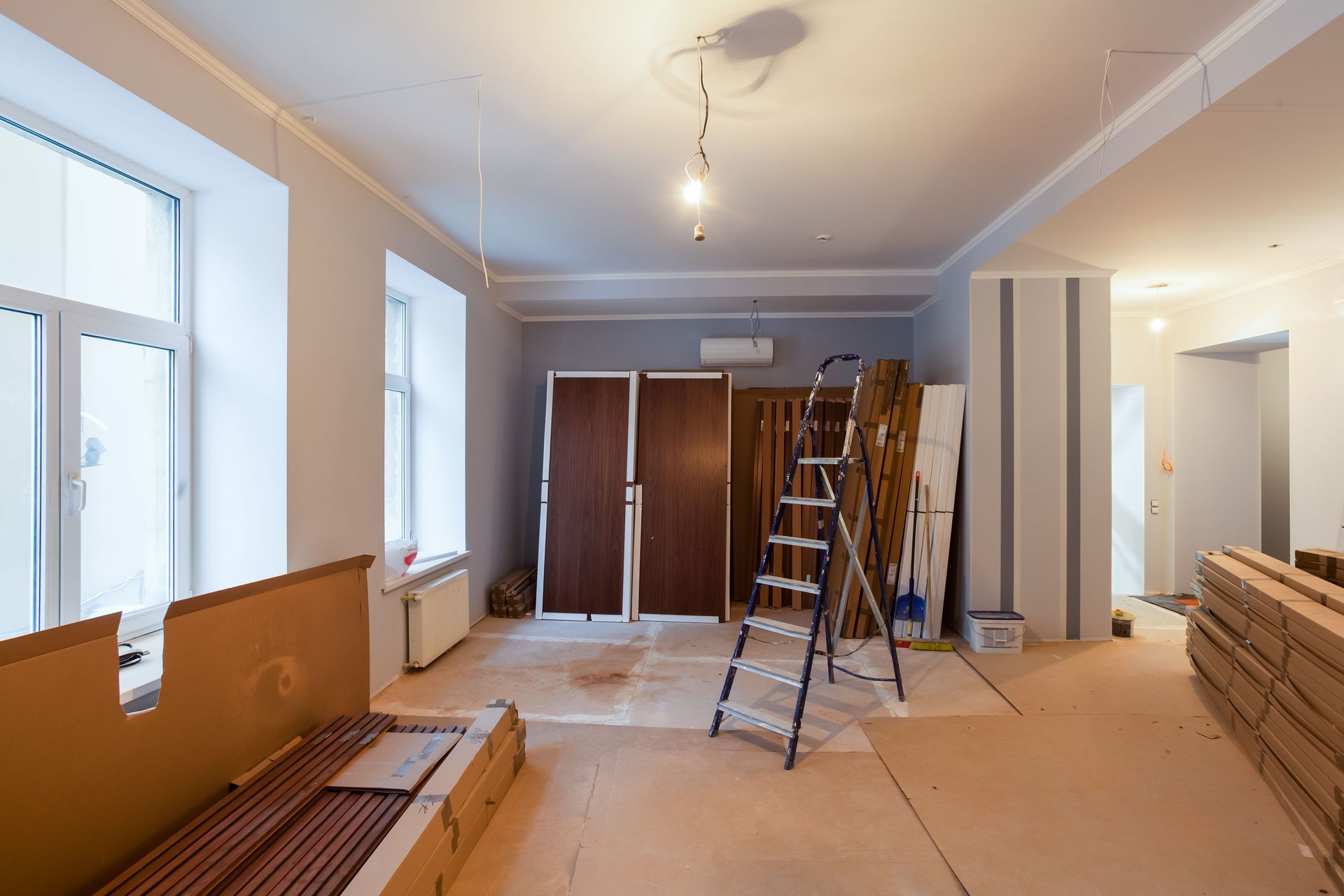
A thorough inspection helps homeowners understand their property's condition before committing to upgrades. Checking the roof, foundation, plumbing, electrical systems, windows, and interior finishes can reveal problems that require attention. Water stains, cracks, drafts, and uneven floors may indicate issues that deserve professional evaluation. A local general contractor can help identify concerns and determine which specialists may be needed. Understanding these conditions early allows homeowners to make informed decisions before cosmetic work begins.
Identifying Repairs That Cannot Wait
Some repairs take priority because they affect safety, structural stability, or weather protection. Roof leaks, deteriorating support structures, exposed wiring, and persistent plumbing problems can worsen when ignored. Addressing these issues promptly may prevent additional damage and expensive repairs. Homeowners should distinguish urgent concerns from improvements that primarily affect appearance. Once critical problems are addressed, remaining funds can go toward upgrades that improve comfort and visual appeal.
Balancing Appearance With Functionality
Homeowners often want renovations to make their properties more attractive while resolving existing problems. According to This Old House, 50% of homeowners who plan to remodel say they want to improve the appearance of their living space, while 49% are renovating to make repairs. These priorities can overlap when projects improve both appearance and performance. Replacing damaged flooring, repairing deteriorated trim, or updating worn cabinetry can refresh a home while addressing practical concerns. A clear list of goals helps homeowners balance both needs.
Prioritizing Essential Home Repairs
Addressing Safety and Structural Concerns
Safety-related repairs should generally come before decorative improvements. Damaged stairs, unstable railings, foundation concerns, and deteriorating structural components may create hazards or allow problems to spread. Professional evaluation helps establish the appropriate repair approach. Covering these issues with paint does not resolve the underlying cause. Homeowners should address structural concerns before investing in cosmetic changes that might need to be removed or redone later.
Repairing Plumbing, Electrical, and Weatherproofing Problems
Reliable plumbing, electrical systems, and weather protection are essential to a functional home. Leaking pipes can damage walls and floors, while electrical defects may create serious safety risks. Damaged flashing and deteriorated seals can also allow moisture into the building. A local general contractor can coordinate repairs with qualified tradespeople when needed. Resolving these problems before installing new finishes helps protect the renovation and reduce avoidable damage.
Establishing a Repair Schedule
Once problems are identified, homeowners can organize repairs according to urgency, cost, and project dependencies. Roof repairs should occur before interior ceiling finishes are replaced if water intrusion is present. Similarly, electrical or plumbing work should generally be completed before affected walls are closed. A practical schedule helps prevent rework. Setting aside contingency funds also provides flexibility if hidden damage appears during construction.
Selecting Cosmetic Upgrades Strategically
Choosing Improvements That Make a Difference
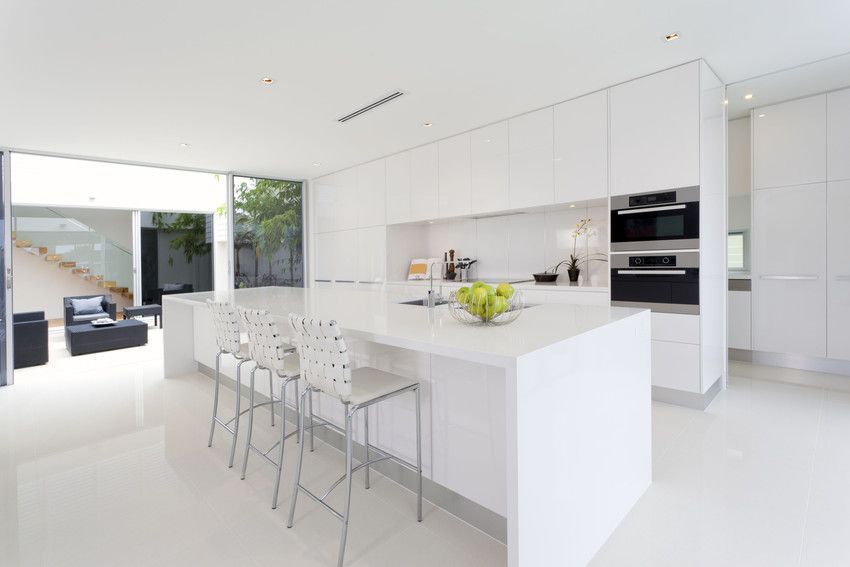
After essential repairs are addressed, homeowners can focus on upgrades that improve their living spaces. Updated flooring, refreshed cabinetry, better lighting, and carefully selected paint colors can transform a room without requiring a complete renovation. The best choices depend on the home's condition, household needs, and budget. A local general contractor can help evaluate proposed improvements and coordinate the work so new finishes complement repaired areas.
Combining Timeless Design With Personal Style
Design decisions should reflect personal preferences while remaining practical over time. Neutral finishes, classic trim profiles, and complementary materials can provide a lasting foundation for distinctive decorative choices. Trend-driven features may be appealing, but homeowners should consider whether they will remain useful. Selecting finishes that work together throughout adjoining rooms also creates a cohesive appearance. Thoughtful choices can make a home feel updated without relying on short-lived trends.
Improving Interior and Exterior Appeal
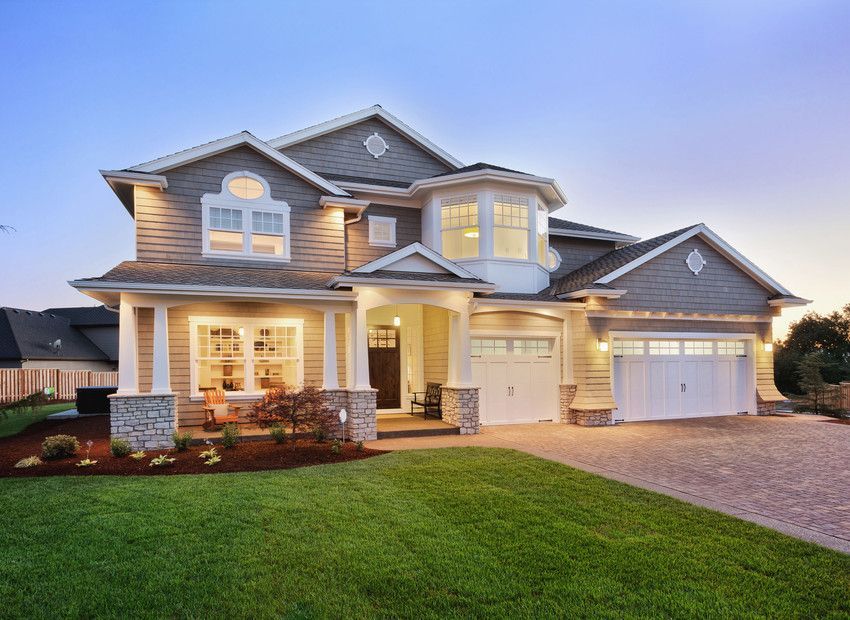
Cosmetic improvements can enhance both interior spaces and exterior appearance. Fresh paint, updated trim, repaired siding, and coordinated exterior details can improve curb appeal when underlying surfaces are sound. Inside, refinished woodwork, new flooring, and better lighting can make rooms more inviting. However, cosmetic treatments should not conceal rot or moisture damage. Addressing surface conditions first helps ensure improvements remain attractive and durable.
Managing Renovation Costs and Timelines
Creating a Realistic Project Budget
A balanced renovation budget accounts for essential repairs, desired upgrades, labor, materials, and unexpected expenses. Homeowners should obtain detailed estimates and distinguish necessary work from optional enhancements. If funds are limited, critical repairs can be completed first, with cosmetic improvements scheduled for later. A local general contractor can clarify the proposed scope, identify dependencies, and explain how changes may affect costs. A realistic budget supports better decisions throughout the project.
Choosing Materials for Durability and Value
Material selection affects a renovation's appearance, maintenance requirements, and performance. Homeowners should compare options based on durability, upkeep, and cost rather than price alone. Flooring must suit the room's moisture exposure and expected foot traffic, while exterior finishes should withstand local weather conditions. Investing in appropriate materials can reduce premature wear and repeated repairs. Durable materials and attractive finishes support lasting results.
Coordinating Work in the Right Order
Renovations proceed more smoothly when tasks follow a logical sequence. Structural repairs and plumbing or electrical work usually need to happen before affected surfaces are finished. Painting, trim installation, and flooring can then follow. Poor coordination can damage materials, increase labor costs, and cause delays. A local general contractor can organize the work, coordinate participating trades, and communicate schedule changes as the project progresses.
Maintaining Quality After Renovation
Checking Workmanship and Completed Repairs
Before considering a project complete, homeowners should review the finished work and confirm that agreed-upon repairs and upgrades have been addressed. Doors and windows should operate properly, finishes should be consistent, and completed work should meet project specifications. Concerns should be discussed promptly with the responsible professional. Keeping documentation of repairs, materials, and warranties can also simplify future maintenance.
Preventing Future Damage Through Maintenance
Regular maintenance helps preserve renovation results. Homeowners should periodically inspect roofs, gutters, exterior caulking, painted surfaces, and areas vulnerable to moisture. Plumbing leaks and changes in doors, windows, or flooring should be investigated promptly. Maintaining finishes according to manufacturer recommendations can extend their useful life. Addressing small problems early helps protect the home and prevents neglected issues from undermining recent improvements.
Planning Future Improvements With Confidence
Not every upgrade needs to happen during one renovation. Homeowners can develop a long-term plan that addresses urgent repairs first, followed by improvements that fit their budget and changing needs. Keeping records of completed work and future priorities makes scheduling easier. Professional guidance can also help identify opportunities to coordinate related improvements rather than treating every task separately. This approach supports steady progress toward a more attractive and functional home.
Creating a Balanced Home Improvement Plan
Successful renovations combine essential repairs with carefully selected cosmetic improvements. By inspecting the property, prioritizing safety, setting a realistic budget, and coordinating work properly, homeowners can avoid preventable setbacks while improving their living spaces. The most effective plan considers immediate needs and long-term performance rather than focusing exclusively on appearances. With proper preparation and professional support, homeowners can protect their investment and create spaces suited to everyday life.
Ready to plan your next renovation with a local general contractor? Contact WTG Carpentry Inc. to discuss your home's repair needs and improvement goals. A thoughtful plan can help you prioritize essential work, select appropriate upgrades, and create a finished space that combines lasting functionality with the look you want.