October 12, 2026
Remodeling can seem like an exciting project to tackle independently, especially with the abundance of DIY shows, online guides, and home improvement resources available today. However, beneath every successful renovation are structural, electrical, financial, design, and scheduling challenges that require careful planning and experience. What may initially appear to be a straightforward update can quickly become more complicated once walls are opened, outdated systems are discovered, or unexpected structural issues arise.
Professional expertise can help homeowners avoid costly mistakes while ensuring the finished space is safe, functional, and visually cohesive. Understanding these hidden challenges can help homeowners recognize why experienced professionals are often an important part of a successful renovation.
Understanding Structural Challenges
Assessing Structural Integrity
One of the most important parts of home remodeling is understanding a home's structural integrity. Load-bearing walls, foundations, framing, and other structural components must be evaluated before changes are made. Identifying these elements is more complicated than simply examining a wall or checking an old blueprint. Professionals have the knowledge to determine which modifications can be safely completed.
Older homes can create additional challenges. Foundation settling, cracks, aging framing, or previous repairs may affect the project. Addressing these concerns before construction begins can help prevent existing damage from becoming worse. Hidden problems, such as rotting wood or termite damage, may also remain concealed until walls or floors are opened. Professionals can identify these issues and recommend appropriate solutions before they compromise the renovation.
According to RubyHome, 91% of homeowners hire professionals for remodeling projects. Their expertise can be especially valuable when unexpected structural conditions are discovered during construction.
Managing Plumbing and Electrical Systems
Updating Outdated Infrastructure
Modernizing plumbing and electrical systems requires careful coordination between old infrastructure and new materials. Older homes may have outdated wiring, aging pipes, or layouts that were designed for very different needs. Updating these systems without creating new problems requires specialized knowledge and detailed planning.
Hidden leaks and faulty wiring can also create significant risks during home remodeling. Water damage can affect framing and other materials, while electrical problems can create serious fire hazards. Professionals can inspect existing systems, identify potential concerns, and make necessary improvements before they interfere with other parts of the renovation.
Following Codes and Permit Requirements
Building codes and permit requirements add another layer of complexity. Requirements vary by location and can apply to structural changes, electrical work, plumbing, and other renovations. Missing a required permit or failing to follow applicable codes can result in delays, fines, or complications when the work is completed.
Experienced professionals understand these requirements and can help ensure that the project follows applicable standards. Proper planning also helps prevent work from having to be removed or redone later.
Creating Functional and Cohesive Designs
Balancing Beauty and Function
A successful renovation needs to look appealing while also making the space easier to use. Professionals can evaluate how room layouts, storage, lighting, materials, and other features work together. This helps create spaces that support the homeowner's needs rather than focusing solely on appearance.
Existing architectural features can make the design process even more complicated. A home may have distinctive trim, older details, unusual room dimensions, or other characteristics that homeowners want to preserve. Integrating new materials with these features requires thoughtful planning. Skilled professionals can create a cohesive appearance without removing the character that makes the home unique.
Turning Ideas Into Practical Plans
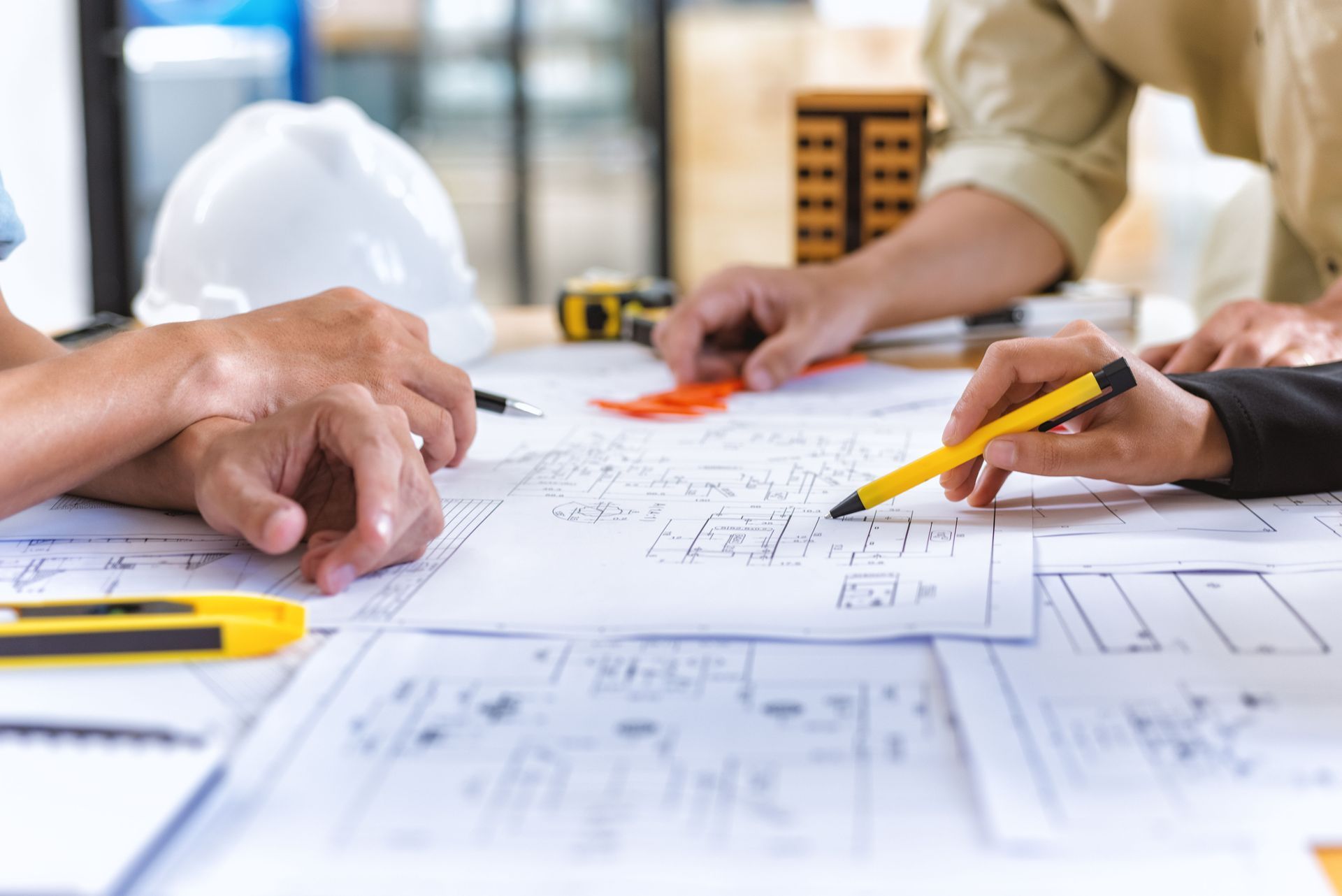
Homeowners often begin a home remodeling project with an overall vision rather than a detailed construction plan. Professionals can help translate those ideas into practical solutions. They can identify potential limitations, recommend appropriate materials, and adjust the design based on the home's existing structure.
This planning stage can also prevent decisions that look appealing on paper but create problems during construction. A professional perspective helps balance personal preferences with durability, functionality, and the realities of the space.
Coordinating Time and Project Sequences
Building a Realistic Timeline
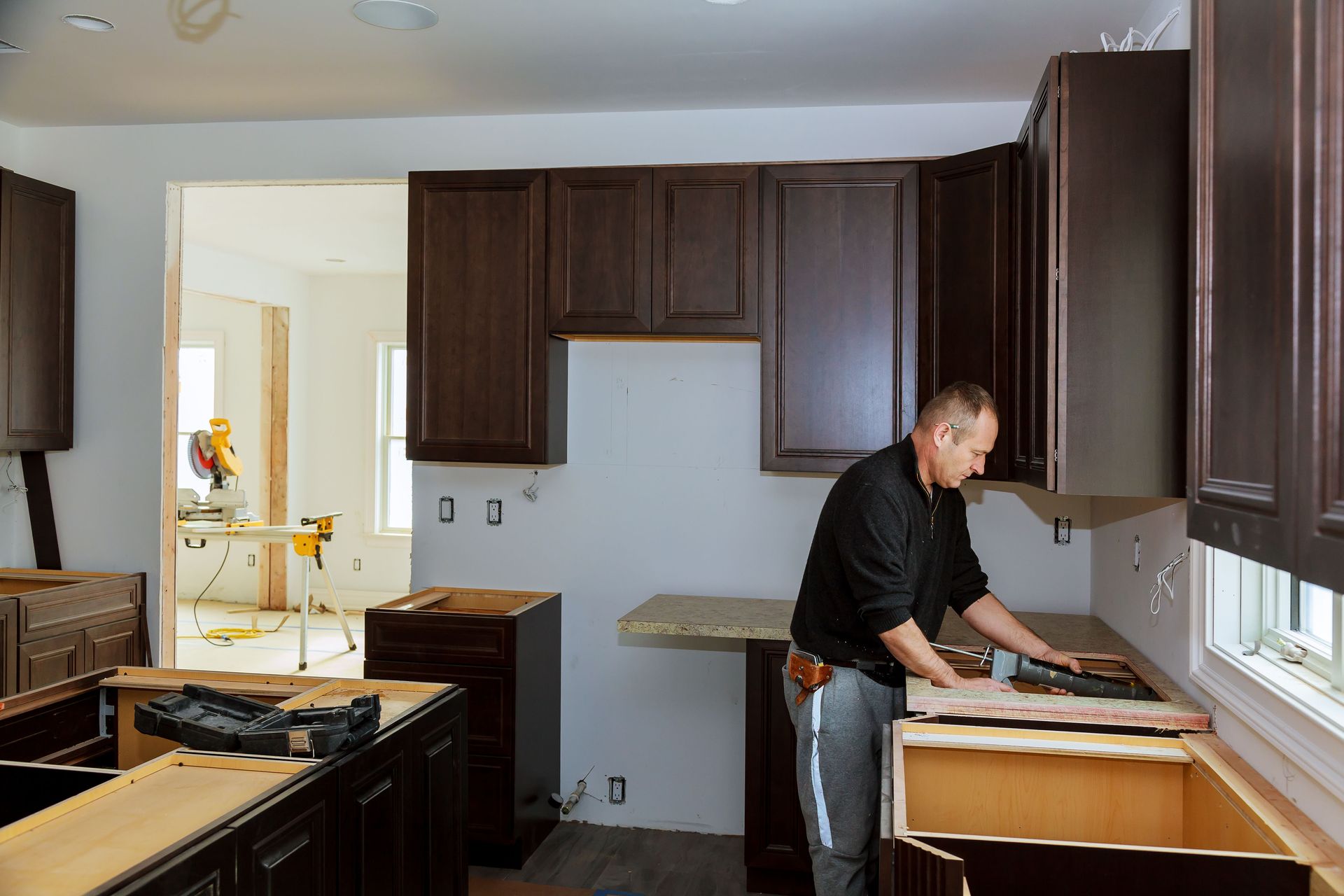
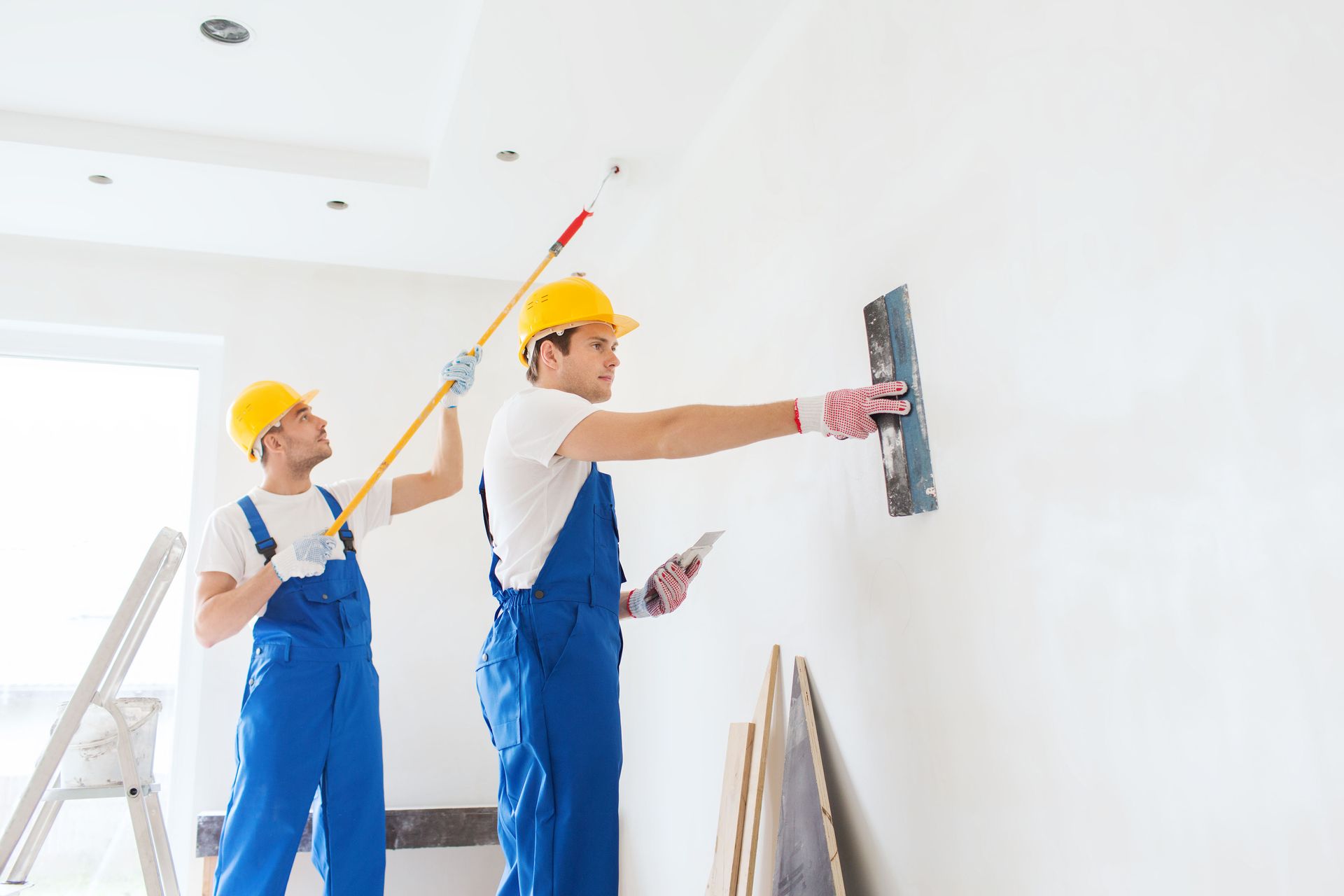
Remodeling involves many individual tasks that must be completed in the right order. A project may require demolition, structural work, electrical or plumbing updates, installation, finishing, and inspections. If one phase is delayed, it can affect everything that follows.
Professionals use their experience to develop realistic timelines and account for the different stages of construction. They can also recognize which tasks need to happen first, helping prevent unnecessary interruptions.
Managing Multiple Trades
Many renovation projects involve several types of professionals. Electricians, plumbers, carpenters, and other trades may each need access to the same areas at different points in the project. Coordinating these workers requires careful scheduling and communication.
Unexpected problems can also affect the timeline. Material shortages, delivery issues, hidden damage, and other complications may require adjustments. Professionals can respond to these situations while keeping the project moving as efficiently as possible.
Controlling Costs and Budgets
Estimating Project Expenses
Budgeting is another major challenge in home remodeling. Initial estimates may not account for every expense, particularly when hidden damage is discovered after construction begins. A detailed budget can help homeowners understand where money will be spent and identify potential areas of concern before work starts.
Professionals can provide more informed estimates based on the project's scope, materials, labor, and expected requirements. They can also help homeowners prioritize improvements when the original plans exceed the available budget.
Preparing for Unexpected Costs
Even carefully planned renovations can encounter unexpected expenses. Damaged framing, outdated systems, material changes, or additional repairs can increase the total cost. Planning for contingencies provides greater flexibility when these issues arise.
Professionals may also have established relationships with suppliers and subcontractors. Their industry experience can help with material selection, purchasing, scheduling, and other decisions that affect overall project costs.
Prioritizing Safety and Risk Management
Identifying Potential Hazards
Safety should remain a priority throughout every home remodeling project. Construction can expose electrical wiring, plumbing, structural components, and other hazards that may not be obvious to homeowners. Professionals know how to identify potential risks and take appropriate precautions.
Proper equipment, protective measures, and safe work practices can reduce the likelihood of injuries and property damage. Addressing hazards before they become problems also helps keep the project on schedule.
Managing Construction Waste
Remodeling can produce substantial amounts of debris, including old fixtures, flooring, drywall, wood, and other materials. Proper disposal helps maintain a safer work area and can reduce unnecessary environmental impact. Professionals can manage construction waste appropriately and identify materials that may be recyclable or reusable.
Protecting the Finished Space
Professional planning also helps protect areas of the home that are not being renovated. Dust, debris, moisture, and construction activity can damage surrounding rooms if they are not properly contained. Taking precautions throughout the project helps preserve the home's existing features while work is underway.
Completing the Project With Professional Expertise
The hidden challenges involved in home remodeling extend far beyond choosing finishes and updating a room's appearance. Structural concerns, outdated systems, design limitations, scheduling issues, unexpected expenses, and safety risks can all affect the outcome.
Professional experience helps homeowners navigate these challenges with greater confidence.
Working with an experienced contractor can also provide a more organized approach from planning through completion. Instead of handling every detail independently, homeowners can rely on skilled professionals to coordinate important aspects of the renovation and address problems as they arise.
For homeowners ready to transform their space while keeping quality, safety, and efficiency in mind, WTG Carpentry Inc. can provide the professional expertise needed to bring a remodeling project together. Contact the team to discuss your plans and take the next step toward a successful renovation.