November 16, 2026
General contractors play an essential role in industries that require careful planning, skilled labor, and efficient project execution. From residential construction to healthcare infrastructure, these professionals coordinate multiple trades, manage resources, and ensure projects meet established safety and quality standards. Many industries depend on general contracting services to complete complex projects while maintaining schedules and controlling costs. Their expertise also supports technological advancements, sustainable building practices, and long-term facility improvements. Understanding which industries rely on these professionals highlights their importance in economic development and infrastructure maintenance.
1. Construction and Residential Development
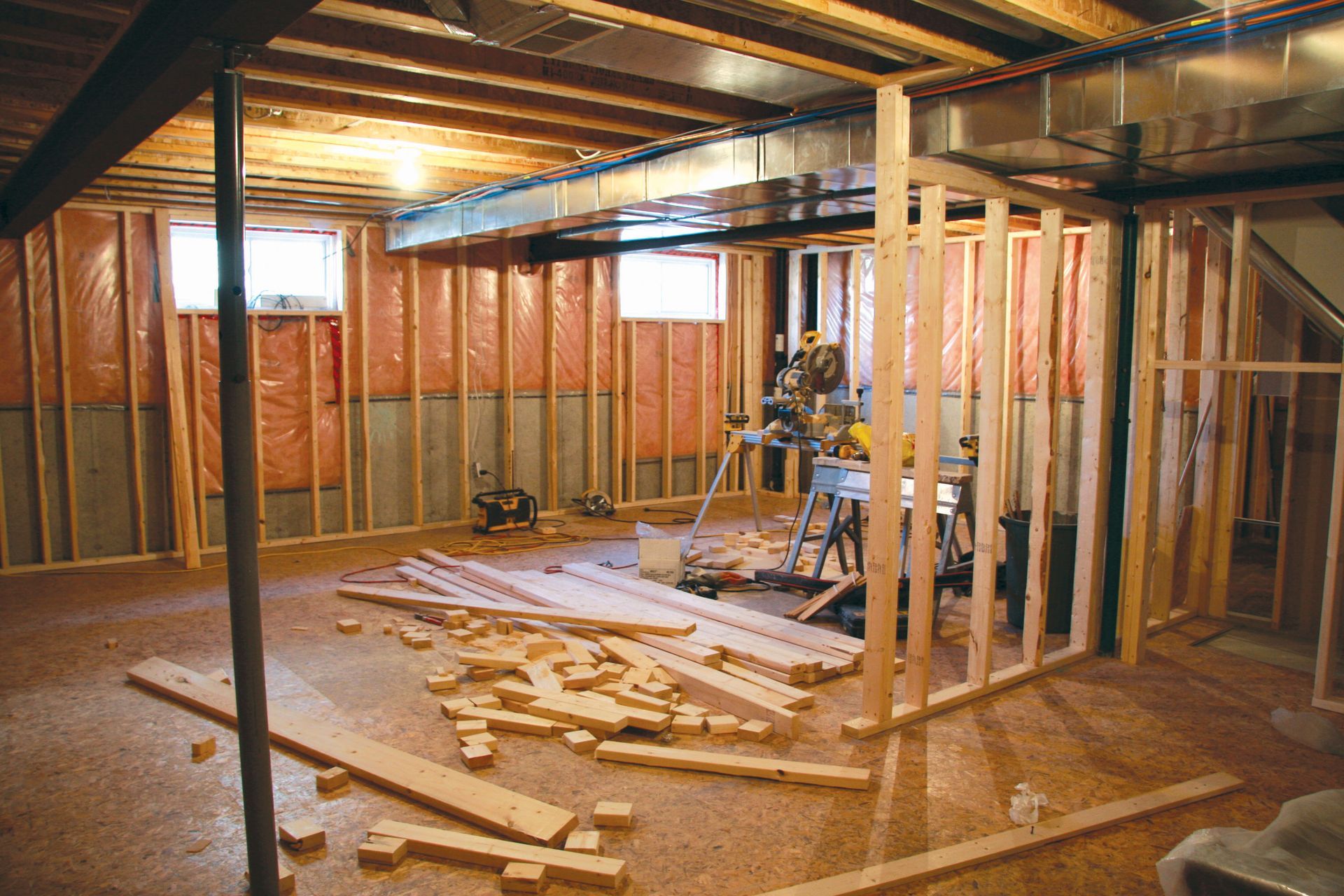
The construction industry is one of the largest users of general contracting services because projects involve numerous specialized trades and responsibilities. Residential construction requires contractors to coordinate electricians, plumbers, carpenters, and other professionals throughout the building process. They oversee material deliveries, monitor construction schedules, and ensure completed work complies with applicable building codes. Their involvement helps homeowners navigate complicated construction requirements while maintaining consistent communication throughout the project.
Commercial construction introduces additional challenges because buildings must accommodate business operations, accessibility requirements, and specialized equipment. Contractors oversee everything from site preparation and structural development to interior finishing and final inspections. Effective coordination reduces scheduling conflicts and helps prevent expensive construction delays.
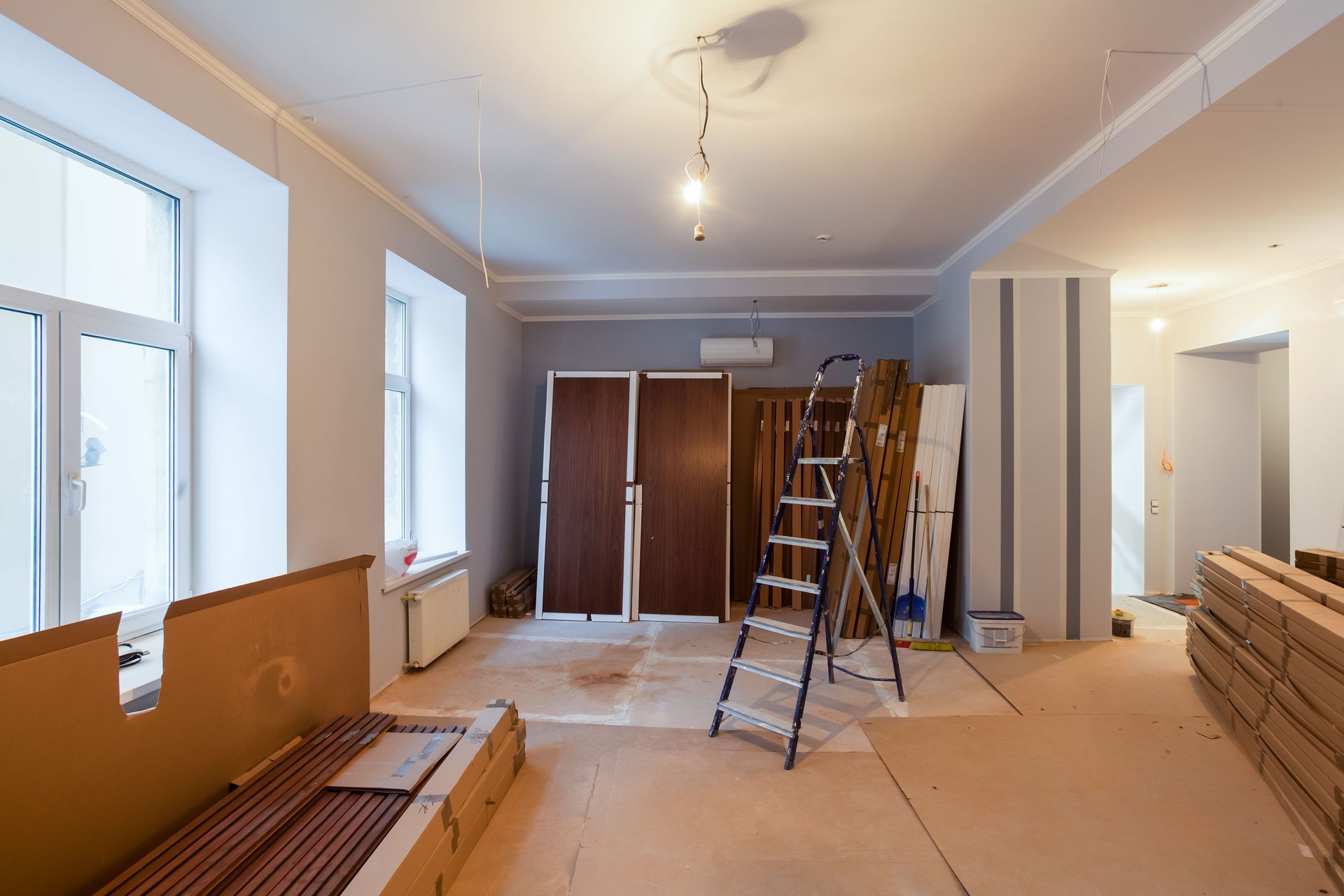
Infrastructure projects, including roads, bridges, and public facilities, also require experienced project oversight. According to Construction Dive, construction planning increased by 26% at the beginning of 2025, reflecting heightened planning activity across the industry. Renovation and remodeling projects further demonstrate the importance of contractors in updating existing structures while preserving structural integrity.
2. Real Estate Development and Property Improvements
Real estate developers rely on general contracting services to transform undeveloped properties into functional residential and commercial spaces. Contractors participate in site preparation, construction planning, and coordination with architects and engineers. Their practical knowledge helps developers evaluate project feasibility, identify potential construction challenges, and establish realistic budgets before major work begins.
Throughout development, contractors manage subcontractors, monitor progress, and address unexpected complications. They also coordinate inspections and maintain documentation necessary for regulatory compliance. These responsibilities are particularly important for large developments involving multiple buildings, parking facilities, landscaping, and shared infrastructure.
Sustainable construction has become another consideration in property development. Contractors help incorporate energy-efficient equipment, environmentally responsible materials, and water conservation features into building designs. These improvements can reduce operating expenses and enhance long-term property appeal. By combining technical expertise with project management, contractors help developers deliver properties that satisfy functional requirements and changing market expectations.
3. Oil and Gas Infrastructure
The oil and gas industry depends on specialized construction expertise to develop and maintain facilities operating under demanding environmental and safety conditions. General contracting services support infrastructure projects involving processing facilities, storage structures, pipelines, and transportation networks. Contractors coordinate specialized workers, heavy equipment, and construction materials while following applicable industry regulations.
Pipeline construction requires careful planning because projects frequently extend across substantial distances and encounter varying terrain conditions. Contractors coordinate excavation, structural installation, inspections, and restoration activities. Their oversight helps minimize disruptions while supporting safe construction practices.
Refineries and processing facilities present additional challenges because equipment installations must accommodate complex industrial systems. Contractors collaborate with engineers and facility operators to schedule construction activities and reduce interference with existing operations. Environmental considerations also influence project planning, including erosion control, waste management, and land restoration. Proper coordination allows these facilities to maintain operational reliability while addressing regulatory responsibilities.
4. Manufacturing and Industrial Facilities
Manufacturing businesses require facilities designed to accommodate heavy machinery, production equipment, and specialized utility systems. General contracting services help industrial organizations construct new buildings, expand existing facilities, and modernize production environments. Contractors coordinate structural improvements, electrical installations, ventilation systems, and equipment foundations to support manufacturing requirements.
Facility expansions are particularly challenging because construction may occur while production continues. Contractors develop schedules that minimize operational interruptions and maintain safe separation between workers and active manufacturing areas. Effective planning allows businesses to increase capacity without unnecessarily disrupting existing operations.
Industrial modernization also involves replacing outdated equipment and improving energy efficiency. Contractors collaborate with engineers and equipment suppliers to ensure new systems integrate with existing infrastructure. Maintenance projects may include structural repairs, flooring improvements, roofing replacements, and utility upgrades. These investments help manufacturers maintain safe working environments, extend facility lifespans, and adapt to changing production demands.
5. Healthcare and Hospital Infrastructure
Healthcare facilities require specialized construction practices because buildings must support patient safety, medical technology, and continuous operations. Hospitals, outpatient clinics, and research centers rely on general contracting services for construction, renovation, and infrastructure improvements. Contractors coordinate mechanical, electrical, and plumbing systems while addressing strict healthcare facility requirements.
Hospital construction frequently involves specialized spaces such as operating rooms, laboratories, emergency departments, and diagnostic imaging areas. These environments require careful attention to ventilation, electrical reliability, infection prevention, and equipment accessibility. Contractors work alongside healthcare administrators, architects, and engineers to ensure building systems accommodate medical operations.
Renovating existing healthcare facilities presents additional challenges because patient services often continue during construction. Contractors establish controlled work areas, coordinate construction schedules, and implement appropriate dust containment measures. Modernization projects may include upgraded patient rooms, improved accessibility, and expanded treatment areas. Careful project management helps healthcare organizations improve facilities while minimizing disruptions to essential services.
6. Educational and Institutional Buildings
Schools, universities, and public institutions depend on general contracting services to create safe, functional environments that accommodate changing community needs. Educational construction projects range from classroom additions and athletic facilities to research laboratories and administrative buildings. Contractors coordinate construction activities while considering academic schedules, student safety, and institutional budgets.
Modern educational facilities require reliable technological infrastructure, including network connectivity, audiovisual equipment, and specialized classroom systems. Contractors work with technology specialists to integrate these features into new construction and renovation projects. Accessibility improvements, energy-efficient lighting, and upgraded heating and cooling systems also contribute to comfortable learning environments.
Renovating occupied campuses requires careful scheduling to limit disruptions to students and staff. Contractors may complete major improvements during academic breaks or coordinate work around daily activities. Sustainable building materials and efficient mechanical systems can also help institutions reduce long-term operating expenses. These improvements support educational objectives while extending the useful life of campus facilities.
7. Commercial Retail and Hospitality Facilities
Retail businesses, restaurants, and hospitality organizations also depend on professional contractors to develop functional customer-facing environments. Shopping centers, hotels, and entertainment venues require coordinated construction activities that balance appearance, accessibility, and operational efficiency. Contractors oversee interior improvements, structural modifications, lighting installations, and mechanical systems.
Commercial renovations frequently operate under strict deadlines because extended closures can affect business revenue. Contractors develop detailed schedules and coordinate subcontractors to help businesses reopen as efficiently as possible. Restaurant projects may require specialized ventilation and plumbing installations, while hotels often need coordinated room renovations and common-area improvements.
Successful commercial projects combine practical construction solutions with the specific operational requirements of each business. Careful material selection, effective communication, and consistent quality inspections help create durable spaces that accommodate employees and customers.
8. The Importance of Professional Project Coordination
Across these industries, effective project coordination remains one of the greatest advantages of working with experienced contractors. Construction projects involve numerous professionals whose responsibilities must align to prevent delays and unnecessary expenses. Contractors establish schedules, communicate expectations, monitor budgets, and address problems as they arise.
Safety management and regulatory compliance are equally important. Contractors coordinate inspections, maintain appropriate documentation, and help ensure construction activities follow applicable requirements. Their experience also supports informed decisions about materials, equipment, and construction methods.
General contracting services remain essential across construction, real estate, energy, manufacturing, healthcare, education, and commercial development. Each industry presents unique challenges requiring specialized knowledge, effective communication, and reliable project oversight. By coordinating skilled professionals, managing resources, and maintaining construction standards, general contractors help organizations complete projects efficiently and responsibly. Their continued involvement supports infrastructure improvements, technological innovation, and sustainable development across multiple sectors of the economy. Contact WTG Carpentry Inc today and learn more about our contracting services.