November 24, 2026
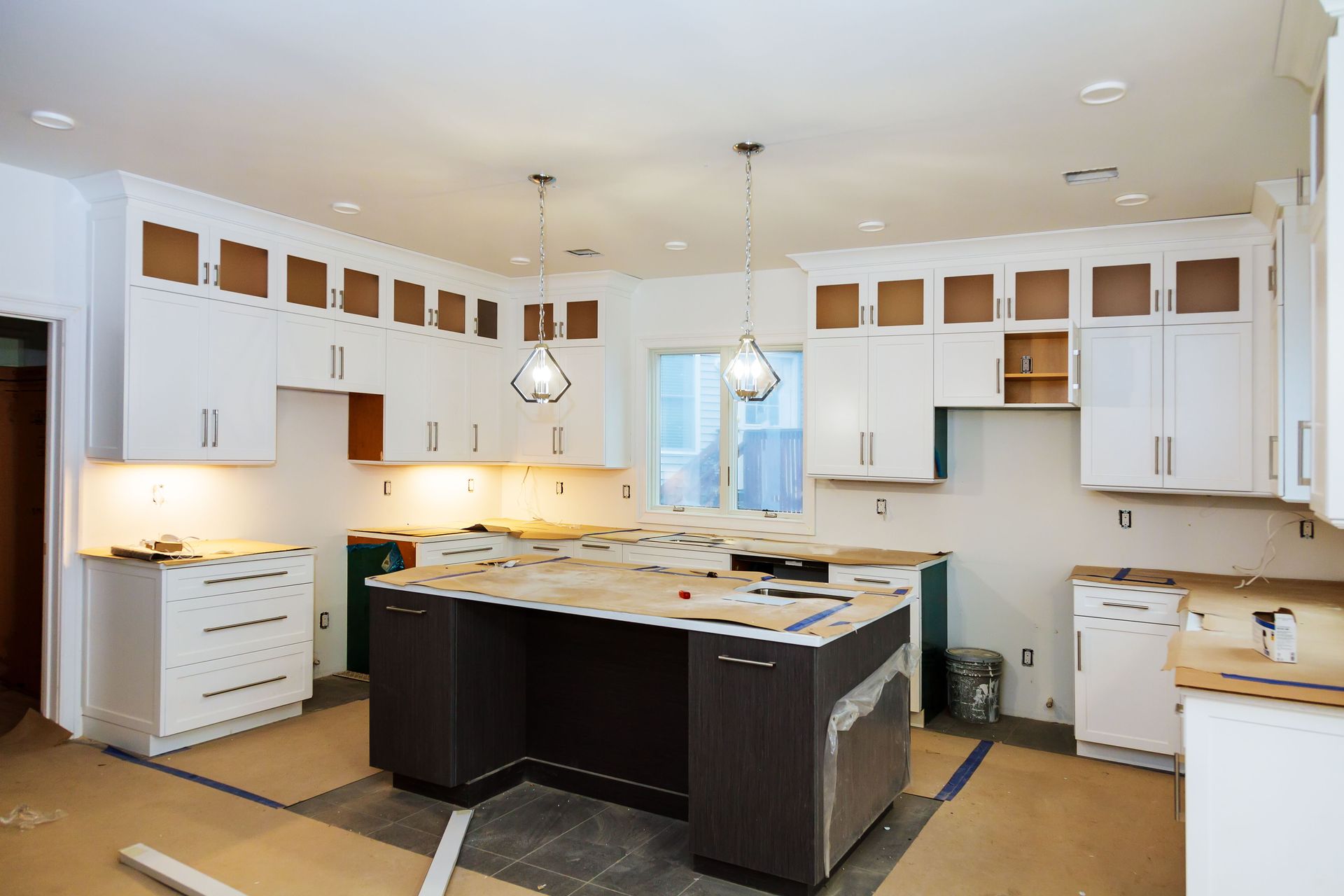
Planning a financial strategy for a kitchen renovation requires careful preparation, clear priorities, and realistic expectations. Working with a professional home remodeling service helps homeowners establish accurate numbers from the very beginning of the project. By organizing expenses into clear categories and accounting for unexpected repairs, you can upgrade your cooking space without straining your bank account. Smart financial planning protects your investment and keeps the construction process moving smoothly from start to finish.
Defining Your Project Scope and Renovation Goals
Before requesting estimates or browsing material samples, take time to outline exactly what you want to achieve in your kitchen. A cosmetic refresh involving fresh paint, updated cabinet hardware, and new flooring costs significantly less than a full-scale layout overhaul. When you clearly define your goals early, you prevent mid-project design changes that frequently inflate labor and material bills.
Sit down with your household to separate your essential functional needs from your aesthetic wish list. Consider how you currently use the room and where bottlenecks occur during daily meal preparation or family gatherings. Writing down these priorities gives your contractor a clear roadmap to build an accurate project proposal.
- Determine whether your existing kitchen footprint works well or requires structural framing changes to open up walls.
- List specific storage frustrations, such as deep corner cabinets or a lack of pantry shelving, that custom built-ins can solve.
- Identify aging surfaces, worn drywall, or damaged subflooring that require immediate repair for safety and durability.
- Decide on the overall style you want to achieve so material selections remain cohesive throughout the room.
Allocating Funds Across Major Kitchen Categories
Once you know the scope of your renovation, divide your total spending limit across the primary components of the build. Industry guidelines suggest breaking down expenses by percentage so no single feature consumes the entire budget. Cabinets and installation typically represent the largest portion of the investment, often accounting for 30% to 40% of total project costs.
Labor, structural carpentry, and general contracting fees generally absorb another 20% to 35% of your funds. Countertops, flooring installation, and backsplash materials usually take up 15% to 20%, while appliances, lighting, and plumbing fixtures fill out the remainder. Keeping these ratios balanced helps you avoid overspending on luxury finishes at the expense of foundational craftsmanship.
According to Cabinet World, homeowners typically recoup 50% to 80% of their kitchen renovation expenses through increased property value. Viewing your budget through the lens of long-term return on investment helps you justify spending money on durable, timeless materials. Investing in solid wood cabinetry and quality flooring pays off both in daily enjoyment and future resale appeal.
Setting Aside a Realistic Contingency Reserve
Even the most thoroughly planned renovation can uncover hidden issues once demolition begins. Older homes frequently conceal outdated wiring, corroded plumbing pipes, or subfloor water damage behind walls and underneath existing cabinets. Attempting to handle these structural or mechanical discoveries yourself risks serious safety hazards and costly code violations, so licensed professionals must address them properly.
To protect your finances from sudden surprises, set aside a dedicated contingency fund equal to 15% to 20% of your total project budget. This reserve sits outside your planned material and labor costs, acting as a financial safety net if contractors discover rot or framing defects. If the project finishes without major surprises, you keep that money in your savings account or put it toward new kitchen furnishings.
Selecting Durable Materials That Maximize Value
Choosing the right materials plays a major part in keeping your renovation within budget while achieving an upscale look. You do not always need the most expensive imported stone or custom millwork in every corner of the room to create a striking design. Mixing high-impact focal points with cost-effective, durable staples stretches your dollars much further.
A knowledgeable home remodeling service can guide you toward materials that balance upfront affordability with long-term performance. For example, pairing semi-custom cabinetry with a statement island or custom trim work gives your kitchen a tailored feel without custom pricing across every wall. Consulting experienced builders before purchasing materials also prevents costly ordering mistakes and shipping delays.
- Compare quartz and granite slabs to find low-maintenance countertop options that resist staining and chipping without requiring constant sealing.
- Explore engineered hardwood or luxury vinyl plank flooring that mimics natural wood grain while standing up to heavy foot traffic and moisture.
- Choose classic subway tile or ceramic patterns for the backsplash instead of intricate mosaic sheets that require longer installation hours.
- Select standard cabinet sizes where possible, reserving custom carpentry for unique architectural niches or specialized storage solutions.
Reviewing Contractor Estimates and Financing Options
Gathering detailed written proposals allows you to compare pricing fairly and verify what each builder includes in their scope of work. Look closely at how estimates break down demolition, framing, drywall installation, cabinet installation, and finish carpentry. Vague quotes that lump all expenses into a single number often lead to misunderstandings and unexpected add-on charges later in the schedule.
When evaluating a home remodeling service, ask about their estimating turnaround time, warranty coverage, and payment milestones. Reputable contractors provide transparent schedules, carry full licensing and insurance, and structure payments around completed phases rather than demanding the entire sum upfront. Checking how a company manages permit coordination and material sourcing also gives you confidence that your money is being handled responsibly.
If you plan to finance part or all of your kitchen upgrade, explore your lending options well before signing a construction contract. Home equity loans, home equity lines of credit, and dedicated renovation financing programs each offer different interest rates and repayment terms. Securing pre-approval establishes a firm spending ceiling and keeps your monthly payments comfortable after the dust settles.
Accounting for Temporary Kitchen Setup Costs
During a major kitchen renovation, your primary cooking and dishwashing area will be offline for several weeks. Failing to budget for everyday living expenses during construction often catches homeowners off guard and eats into funds meant for permanent upgrades. Setting up a simple temporary kitchen in a dining room or basement with a microwave, coffee maker, and mini-fridge helps keep daily routines running smoothly.
- Estimate the cost of extra restaurant meals, takeout orders, and prepared groceries while your stove and sink are disconnected.
- Purchase disposable plates, cups, and utensils if you will rely on a small bathroom sink for daily washing.
- Factor in storage bin rentals or protective plastic sheeting to keep dry pantry goods and small appliances clean and dust-free.
Tracking Expenses Throughout the Construction Phase
Maintaining financial discipline during active construction is just as important as setting your initial budget. Keep a dedicated digital spreadsheet or folder to record every signed contract, material deposit, and approved change order. Reviewing your numbers weekly prevents small upgrades from quietly snowballing into major budget overruns.
Stick firmly to your finalized design selections once material orders are placed. Changing cabinet finishes, countertop edges, or flooring layouts midway through construction triggers restocking fees, labor delays, and additional carpentry hours. Clear communication with your contractor keeps everyone aligned on costs and timelines until the final walkthrough.
Making Confident Decisions for Your Kitchen Renovation
Smart budgeting turns an ambitious kitchen upgrade into a manageable, rewarding home improvement experience. By defining your goals, dividing funds wisely, maintaining a healthy contingency reserve, and choosing durable materials, you stay in full control of your finances. Partnering with a dependable home remodeling service brings professional oversight and skilled craftsmanship to every phase of the build. When you are ready to plan your renovation with transparent pricing and quality construction, reach out to WTG Carpentry Inc to schedule your free consultation.