November 17, 2026
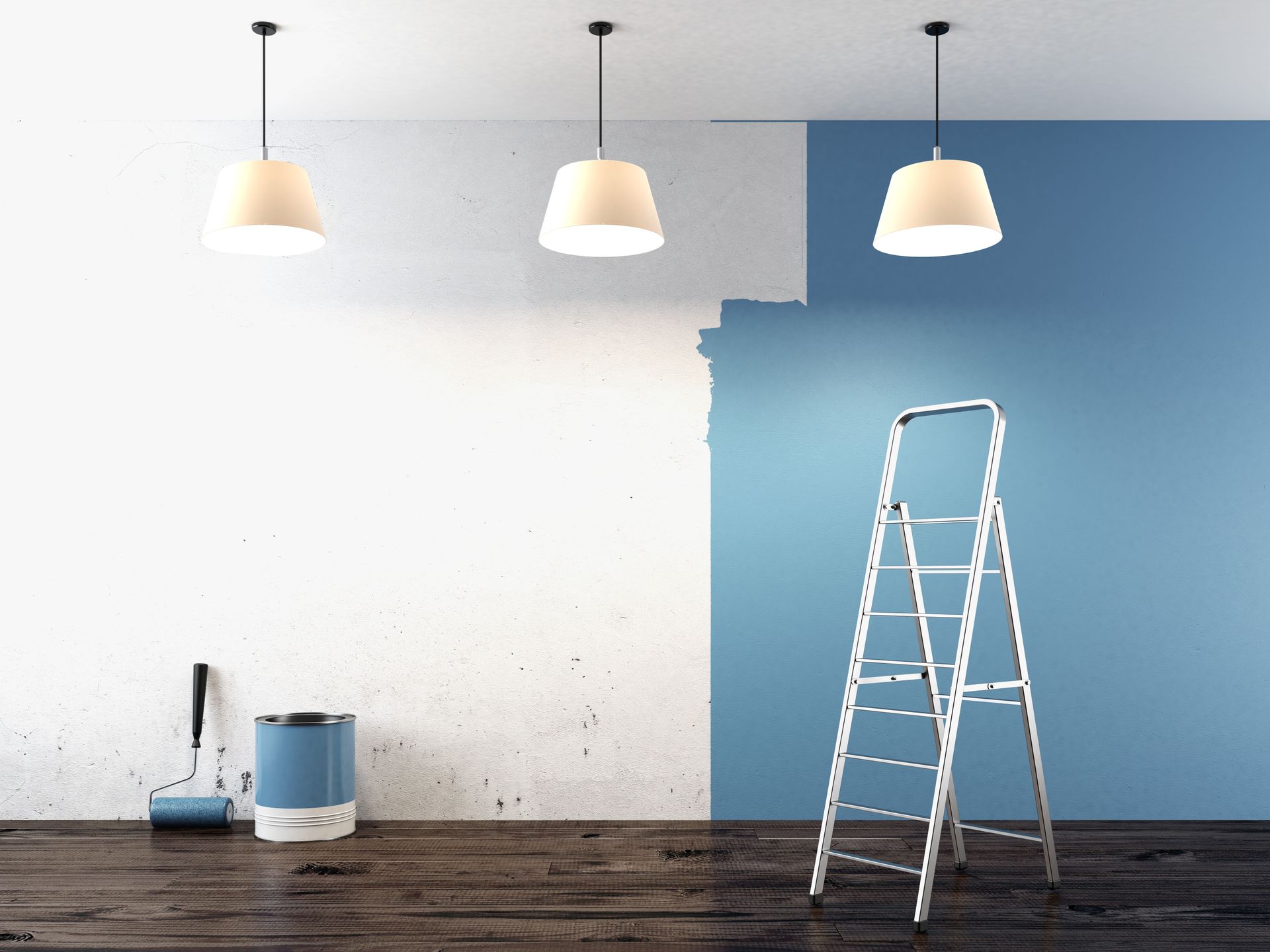
Recognizing when your home needs more than a cosmetic renovation is essential for maintaining its safety, efficiency, and long-term value. While fresh paint, updated decor, and new flooring can improve a property's appearance, these changes won't resolve underlying structural or mechanical problems. Understanding the warning signs helps homeowners prioritize repairs before minor concerns become expensive complications.
Home maintenance requires attention to both visible features and the systems behind them. A local general contractor can help evaluate areas that need substantial improvements, identify construction concerns, and determine which repairs should take priority. Recognizing these problems early allows homeowners to make informed decisions about their property's condition.
Recognizing Structural Warning Signs
Identifying Sagging or Uneven Floors
Floors that sag, slope, or feel uneven can indicate problems with a home's foundation or support system. Moisture infiltration, deteriorating floor joists, poor construction, and natural settling can contribute to these conditions. Although minor variations may develop as a house ages, noticeable changes deserve professional attention.
Uneven floors can also contribute to secondary problems, including doors that no longer close properly and visible gaps along walls. A professional inspection can determine whether the issue involves damaged framing, foundation movement, or another structural concern. Addressing the underlying cause is more effective than attempting cosmetic repairs that only conceal the symptoms.
Examining Cracks in Walls and Ceilings
Cracks in walls and ceilings can develop because of temperature changes, settling, moisture exposure, and construction deficiencies. Small hairline cracks may result from normal material movement, but widening gaps and recurring cracks can indicate more serious problems.
Simply patching and repainting damaged surfaces may provide a temporary improvement without resolving the source. A local general contractor can help evaluate the surrounding construction and determine whether foundation, framing, or moisture-related repairs are necessary. Identifying the cause helps prevent homeowners from repeatedly covering visible damage.
Investigating Sticking Doors and Windows
Doors and windows that suddenly become difficult to open or close may indicate more than ordinary wear. Changes in framing alignment, moisture-related swelling, and foundation movement can affect how these components fit within their openings. While hardware adjustments may resolve isolated problems, recurring issues deserve closer examination.
When several doors and windows develop similar problems, homeowners should consider whether the surrounding structure has shifted. A local general contractor can help assess these construction concerns and determine whether routine adjustments or more significant repairs are appropriate.
Evaluating Foundation and Wall Movement
Foundation instability can affect nearly every part of a home. Warning signs include widening foundation cracks, sloping floors, water intrusion, and walls that appear to lean or bulge. Soil movement, poor drainage, and prolonged moisture exposure can contribute to these conditions.
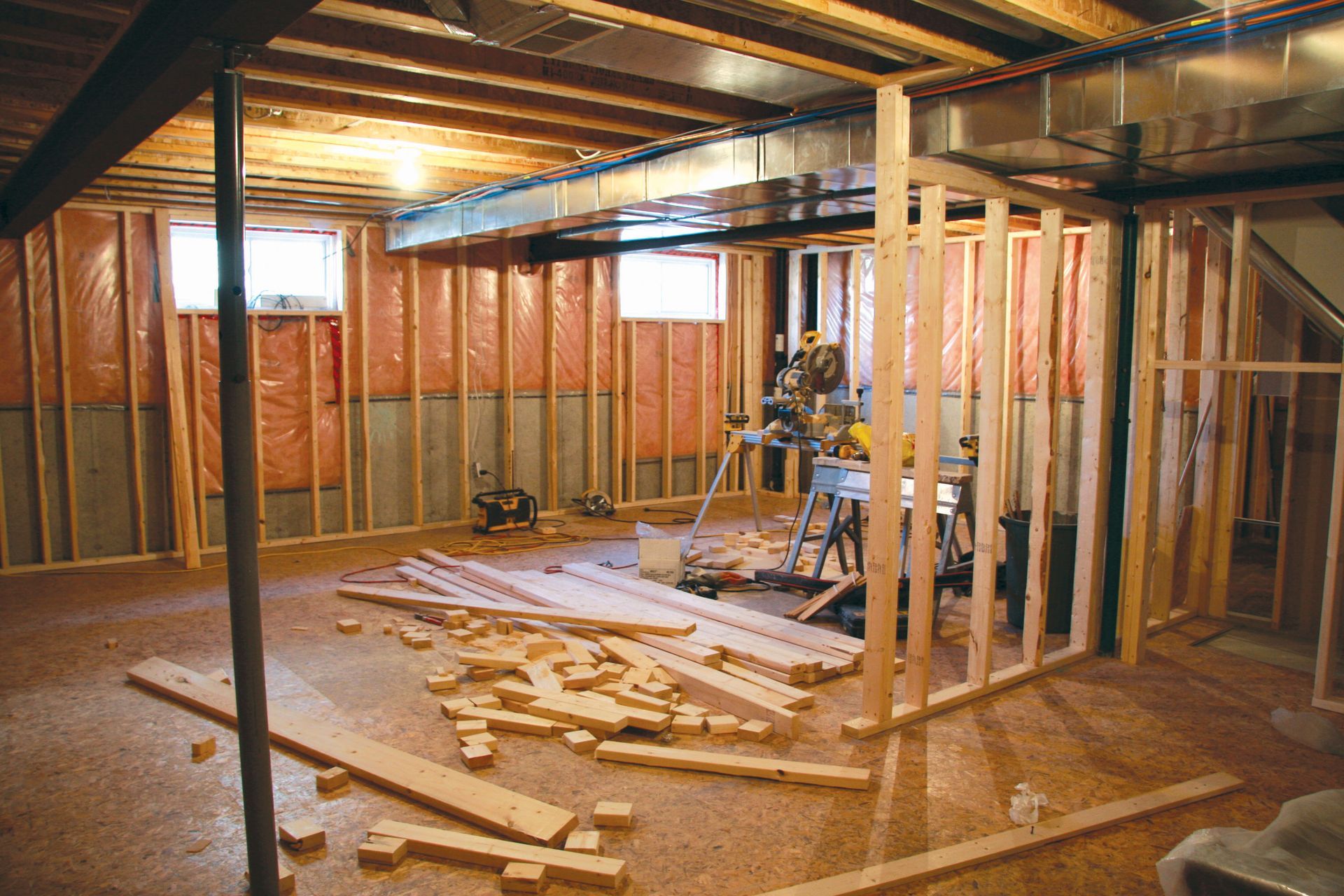
Foundation and structural repairs often require more extensive work than ordinary remodeling. Depending on the problem, homeowners may need engineering evaluations, drainage improvements, wall reinforcement, or other corrective measures. A local general contractor can help coordinate construction work and determine when additional professional assessments are needed.
Identifying Electrical System Warning Signs
Investigating Frequent Circuit Breaker Trips
Circuit breakers interrupt electrical flow when circuits become overloaded or develop certain faults. However, frequent tripping may indicate outdated panels, overloaded circuits, or damaged wiring. Repeatedly resetting a breaker without investigating the cause can leave a potentially dangerous condition unresolved.
A licensed electrician can inspect the system, identify the source of the problem, and recommend appropriate repairs or upgrades. When electrical improvements are part of a larger renovation, coordinating the work with a local general contractor helps keep construction activities organized.
Addressing Flickering or Dimming Lights
Flickering or dimming lights may result from loose connections, overloaded circuits, or electrical component problems. Occasional flickering from a single fixture may have a simple explanation, but recurring problems throughout the home deserve professional investigation.
Electrical evaluations can identify faulty connections and determine whether the system needs repairs or additional capacity. Addressing these concerns promptly helps reduce potential safety hazards and supports reliable electrical performance.
Replacing Outdated or Inadequate Wiring
Older homes may contain electrical wiring that no longer meets current household demands. Outdated components can contribute to power interruptions, overheating, and other safety concerns. Warning signs may include frequently blown fuses, damaged insulation, or insufficient outlets for modern appliances.
Updating an electrical system requires more than replacing visible fixtures. A licensed electrician can evaluate wiring, panels, and circuit capacity before recommending improvements. These upgrades are particularly important during substantial renovations when walls and ceilings may already be open for other construction work.
Recognizing Discolored Outlets and Switches
Brown or black discoloration around outlets and switches can indicate overheating, loose connections, or damaged wiring. These conditions should never be treated as ordinary cosmetic imperfections. Homeowners should stop using affected outlets and arrange for a licensed electrician to investigate the problem.
Electrical repairs may involve replacing damaged components, correcting wiring deficiencies, or addressing overloaded circuits. Resolving these concerns protects the home's electrical infrastructure and reduces the risk of further damage.
Detecting Plumbing and Moisture Problems
Investigating Persistent Low Water Pressure
Low water pressure can make everyday household activities difficult, but it may also indicate deeper plumbing deficiencies. Corroded pipes, mineral buildup, hidden leaks, and problems with the main water supply can all affect water flow. Widespread pressure changes often require more than simple fixture adjustments.
Professional plumbers can evaluate the system and determine whether cleaning, pipe repairs, or component replacements are necessary. Addressing the source of inconsistent water pressure helps protect the plumbing infrastructure and prevent additional complications.
Resolving Recurring Drain Clogs
Occasional drain clogs are common, but recurring blockages may indicate damaged pipes, accumulated debris, or problems farther along the plumbing system. Repeatedly using chemical cleaners or temporary unclogging methods may not address the underlying obstruction.
A professional plumbing assessment can identify the location and cause of persistent blockages. Depending on the findings, repairs may involve clearing obstructions, replacing damaged sections, or correcting drainage problems. These improvements help restore dependable plumbing performance.
Investigating Water Stains and Hidden Leaks
Water stains on walls, ceilings, and floors often indicate moisture problems that extend beyond the visible damage. Discoloration, bubbling paint, peeling finishes, and soft building materials may develop when plumbing leaks or water intrusion remain unresolved. Continued exposure can damage drywall, framing, insulation, and other structural components.
Cleaning or repainting stained surfaces without repairing the leak allows the problem to continue behind finished materials. Professional inspections help locate the source of moisture and determine which components require repair or replacement. Depending on the damage, restoration may involve plumbing work, drying, new drywall, or structural repairs.
Homeowners should also pay attention to musty odors and recurring dampness, even when visible stains are limited. These conditions can indicate moisture accumulating in concealed spaces. Addressing them early helps prevent more extensive deterioration.
Planning Renovations Around Underlying Problems
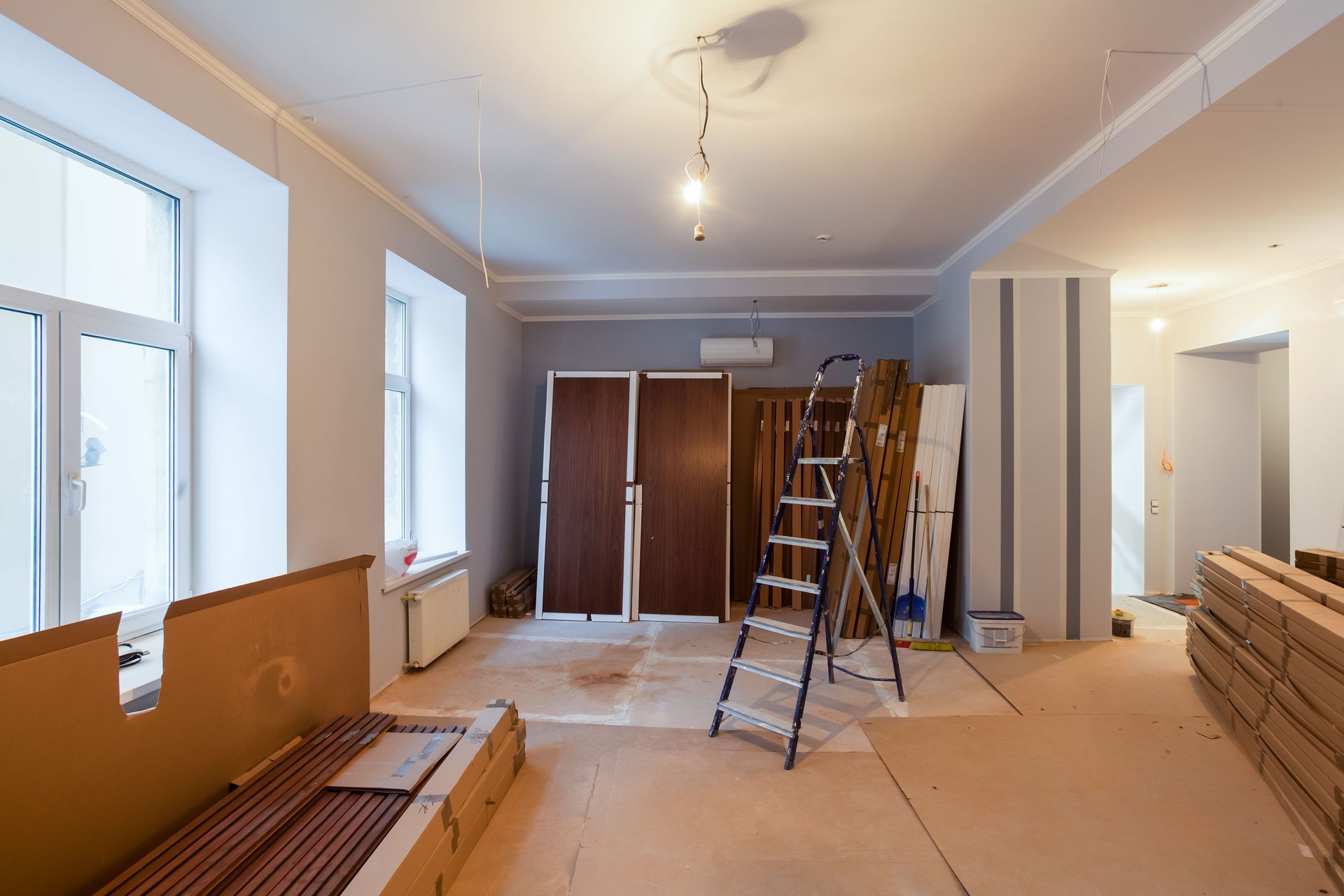
Recognizing structural, electrical, and plumbing warning signs is only the first step. Homeowners must determine which improvements require immediate attention and how those repairs fit into their renovation plans. Addressing major deficiencies before installing new finishes helps prevent completed work from being damaged by overlooked problems.
Material selection is another important consideration. According to Modernize, nearly 49% of homeowners spend three hours or less researching materials and products before starting a project, highlighting the importance of contractor guidance early in the process. Comparing durability, compatibility, maintenance requirements, and installation needs helps homeowners make informed decisions.
Working with a local general contractor provides an opportunity to evaluate project requirements, coordinate necessary trades, and establish a practical construction sequence. Rather than approaching every concern as an isolated repair, homeowners can consider how different improvements affect the property's overall condition.
Not every crack, plumbing issue, or electrical concern requires a complete renovation. However, recurring problems and noticeable changes should not be dismissed simply because cosmetic improvements make a space look better. Careful inspections and appropriate repairs help protect a home's long-term condition.
When a renovation involves multiple construction needs, professional coordination can make the process more manageable. WTG Carpentry Inc. can help homeowners evaluate their construction goals and plan improvements that address both the visible and underlying needs of their properties. Contact the team to discuss your next project and explore practical ways to improve your home's functionality, durability, and overall condition.